How to Tell If a Lost Key Means You Need to Rekey Your Locks
When a lost key becomes a real security concern
Losing a house key happens to most people at some point. The key falls out of a pocket, gets left on a desk, or simply vanishes without a trace. The immediate question is whether you need to take action or whether you can simply order a replacement and move on. The answer depends on how much information the lost key carries and who might find it. A key that shows no identifying marks and was lost far from home is very different from a key that has your address on a tag or was lost in a place where someone could connect it to your property. The seriousness of the situation hinges on the risk that someone could use that key to enter your home.
The first question: does the key have any identifying information?
A bare metal key with no tags, no keychain fob, and no markings gives a finder almost no useful information. Unless the finder is willing to try the key on every door in the neighbourhood, the chance of them using it to enter your home is extremely low. In that case, you can usually order a duplicate from the original key code if you have it, or have a locksmith cut a new key from the lock cylinder. There is no pressing need to rekey the lock itself. However, if the key was on a keychain that included a fob with your name, a building access card, or a tag with an address, the situation changes. A person who finds that key knows exactly which door it opens. That is the moment when a lost key becomes a genuine security risk.
What about a key that was stolen rather than lost?
A stolen key is always a serious matter. Theft implies intent. Someone took the key deliberately, and they may have taken it specifically to gain entry to your property. This applies whether the key was stolen from your pocket, your bag, or your home. If you suspect theft rather than simple loss, rekeying should happen as soon as possible. The same logic applies to a key that goes missing during a move, after a service visit, or following a house party. In those situations, the key could have been taken by someone who knows where you live and when you are likely to be away. Rekeying removes that uncertainty by making the old key useless.
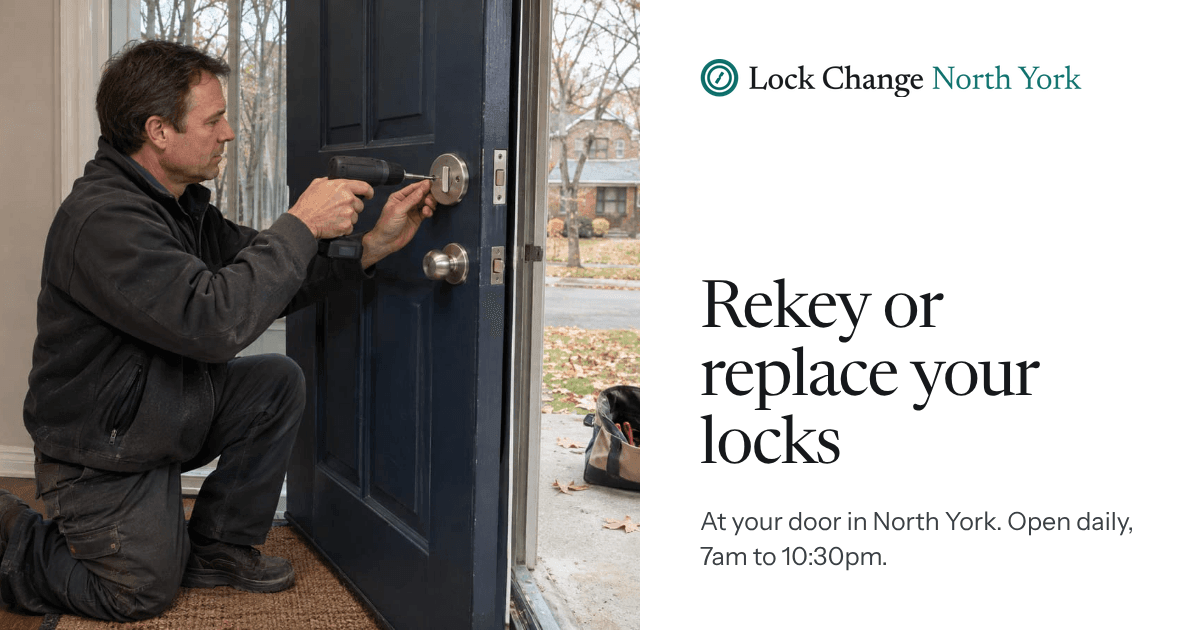
Lost keys and shared buildings
If you live in a multi-unit building or rent a property, the stakes are different. A lost key that opens a common entrance or a mailbox could affect more than just your own unit. In a building with a master key system, a lost tenant key might not compromise the master key, but it still opens your individual door. The building manager or landlord may have a policy about when rekeying is required after a lost key. If you rent, check your lease agreement and notify the landlord promptly. A landlord may decide to rekey the unit and charge the tenant for the cost, especially if the lost key had identifying information. For homeowners, the decision is entirely yours, but you should still consider whether the lost key could have been copied or used by someone with access to your home.
When the key opens more than one lock
Some homes use a single key for multiple locks, such as a front door, a back door, and a garage entry. Losing that one key means all those locks are potentially compromised. In that case, rekeying all of them to a new key is usually the most practical solution. A locksmith can rekey each lock cylinder so that a single new key operates all of them, restoring control of your locks without the need to replace the entire hardware. This approach is often faster and less expensive than installing new locksets, and it keeps your routine simple. You do not need to carry multiple keys or remember which key works on which door.
What about a key that was returned?
Sometimes a lost key is handed back to you by a neighbour or a stranger who found it on the street. If the key was returned quickly and you are certain it was not in the possession of anyone with bad intentions, you might decide that rekeying is unnecessary. But consider the possibility that the key could have been copied before it was returned. A determined person could take a photograph of the key or press it into a moulding material in a few seconds. If you have any doubt about the chain of custody, rekeying is a reasonable precaution. The peace of mind is worth the effort, especially for an entry door that you use every day.
Old keys that were never returned
Another common situation is a key that was given to a contractor, a cleaner, a pet sitter, or a former roommate and was never returned. Even if you trust the person, you cannot be sure that the key was not copied or that it will not end up in the wrong hands. When a key is outstanding indefinitely, the safest move is to rekey the lock. This is especially true if the person no longer has a relationship with you or if the key was in their possession for an extended period. Rekeying is a straightforward way to close that gap in your security.
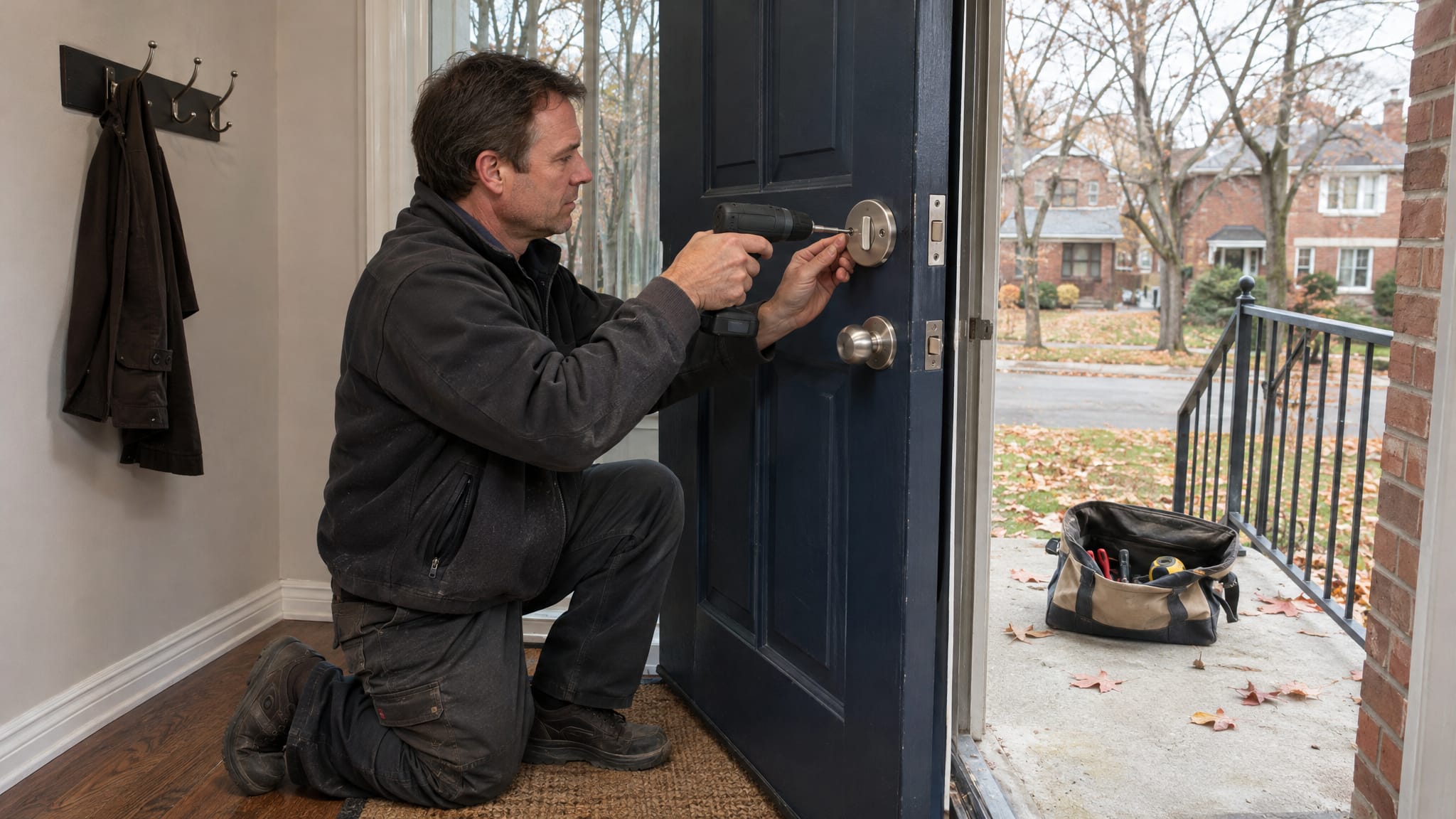
How rekeying works
Rekeying a lock does not require replacing the entire lock. A locksmith removes the lock cylinder, adjusts the pins inside so that the old key no longer works, and installs new pins that match a new key. The lock hardware itself stays in place, so the appearance and function of the door remain the same. The only change is which key operates the lock. This makes rekeying a convenient option for homeowners who want to update their security without changing the look or feel of their doors. It also allows you to have multiple locks keyed alike, so one key opens every exterior door.
When rekeying is not enough
There are cases where rekeying alone is not sufficient. If the lock cylinder is worn, damaged, or of an older, less secure design, replacing the entire lock may be a better choice. Similarly, if you have lost a key that also operates a high-security lock system, such as a restricted keyway or a patented key profile, the locksmith may need to replace the cylinder entirely rather than re-pin it. A local locksmith can inspect your lock and advise on the best course of action. The decision should be based on the condition of the lock and the level of risk you are comfortable with.
Practical steps after losing a key
If you lose a key, start by retracing your steps and checking with anyone who might have seen it. If the key does not turn up within a reasonable time, assess the risk based on the factors described above. If you decide that rekeying is warranted, contact a locksmith to schedule the work. While you wait, consider temporary measures such as using a secondary lock or a door reinforcement bar. Do not leave a spare key under a mat or in a fake rock, as those are the first places a person who found your key would check. Instead, leave a spare with a trusted neighbour or use a lockbox with a combination that you can change.
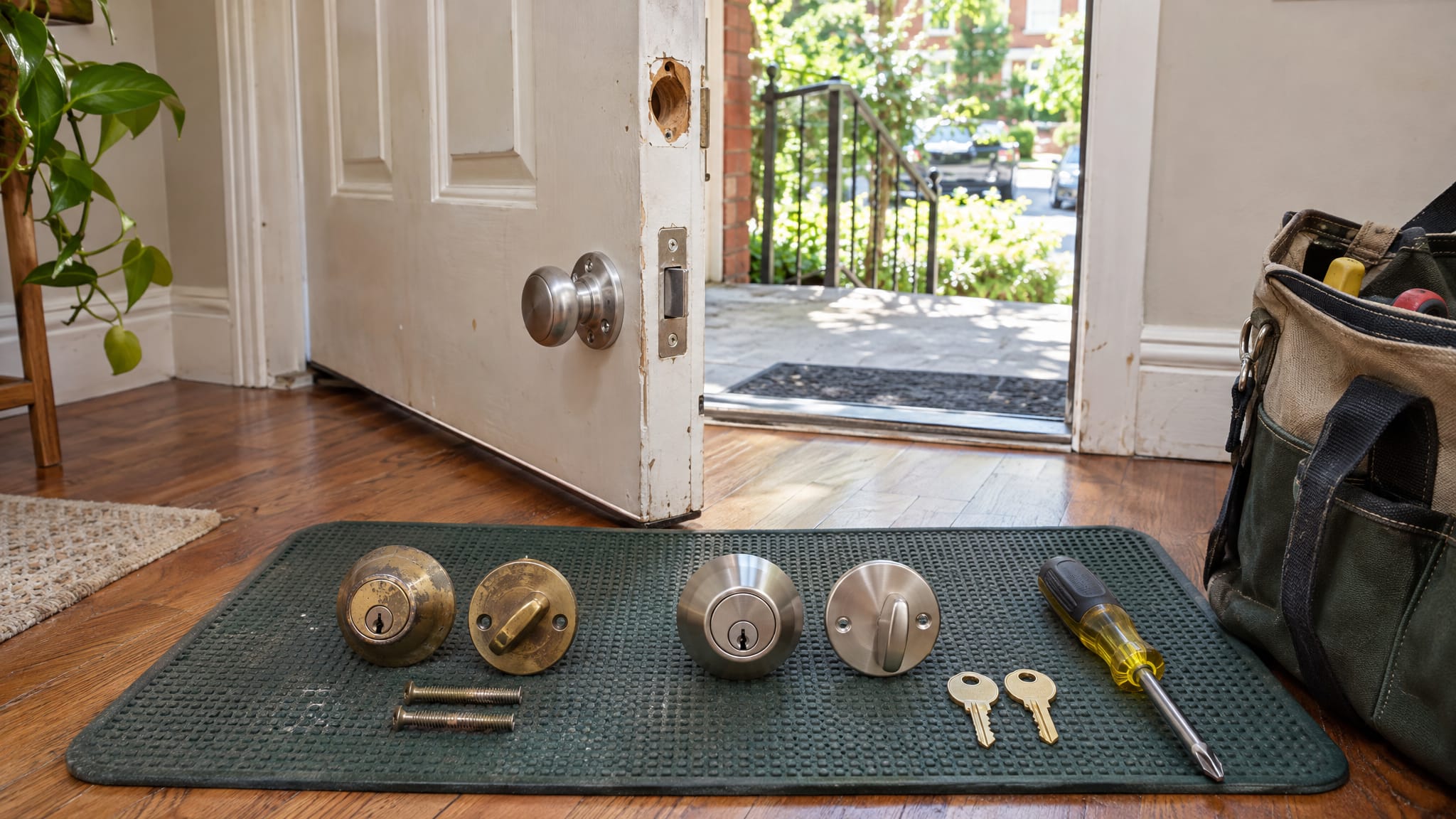
Restoring control of your locks
Rekeying is ultimately about restoring control of your locks. When a key goes missing, you lose the certainty that only you and your household can enter. Rekeying gives that certainty back. It is a simple, effective measure that addresses the root of the concern: the unknown. You no longer have to wonder whether the lost key is sitting in someone's pocket or lying on the ground. The new key works, and the old one does not. That is the peace of mind that makes the decision to rekey a straightforward one.